
Popular Tree Removal Products for Safe and Effective Tree Cutting
Discover top-rated tools and accessories that help you handle tree removal projects with confidence and precision.
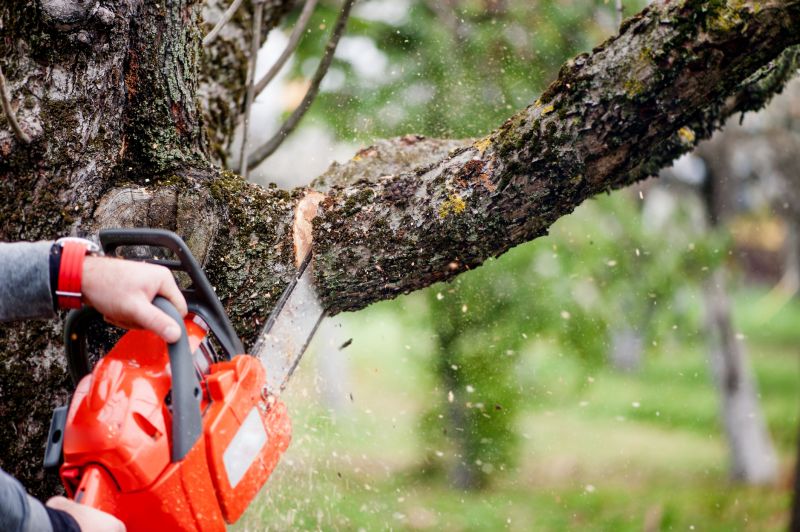 Tree removal is a task that requires careful planning and the right equipment to ensure safety and efficiency. Whether dealing with dead, diseased, or hazardous trees, having the appropriate tools can make the process smoother. From manual tools to powered machinery, there are a variety of products designed to assist in safely and effectively removing trees. Understanding the different options available can help homeowners and professionals select the most suitable equipment for their specific needs.
Top Overall Option
Power Chainsaw
A versatile power chainsaw is often considered an essential tool for tree removal projects. It offers the power and precision needed to cut through large trunks and branches efficiently. Designed with safety features and variable speed controls, it can handle a range of tree sizes while providing user comfort. Proper maintenance and safety precautions are crucial when operating a chainsaw to ensure safe and effective use.
Types of Products For Tree Removals
Manual Pruning Saw
Ideal for small branches and detailed trimming, manual pruning saws are lightweight and easy to maneuver.
Hand Pruners
Suitable for cutting smaller branches and twigs, hand pruners are a basic tool for detailed pruning work.
Chainsaw
A powered chainsaw provides efficient cutting for larger trunks and branches, suitable for professional and serious DIY projects.
Pole Saw
A pole saw extends your reach to trim high branches safely without a ladder, ideal for mid-sized trees.
Rope and Pulley Rigging System
Used for controlling the fall of large branches or entire trees, rigging systems help prevent property damage and enhance safety.
Tree Climbing Gear
Includes harnesses, spikes, and ropes, enabling safe and controlled ascent for professional tree removal.
Wood Chipper
Transforms branches and small trunks into mulch, aiding in debris management after removal.
Stump Grinder
Removes remaining stumps efficiently, making way for new planting or landscaping.
Safety Helmet with Face Shield
Protects the head and face during cutting and rigging operations, essential for safety.
Work Gloves
Provides hand protection against cuts, splinters, and abrasions during tree work.
Ladder
Allows access to high branches for trimming or removal when a pole saw isn't sufficient.
Tree Removal Rope
Heavy-duty ropes are used for rigging and controlled lowering of branches and trunks.
Winch
Helps in pulling or lowering large limbs or trunks safely and with control.
Debris Netting
Catches falling debris to protect property and pedestrians during removal.
Protective Ear Gear
Reduces noise exposure during loud cutting operations, protecting hearing health.
Popular Choices
Offers mobility and convenience for smaller to medium-sized tree work without the hassle of cords.
Combines a pruning saw with an extendable pole for reaching high branches safely.
Provides strong cutting power for larger trees and heavy-duty projects, popular among professionals.
A quieter and easier-to-maintain option suitable for smaller tree removal tasks.
Essential for professional arborists when climbing large or complex trees.
Trusted for its durability and strength in rigging and lowering large tree sections.
Compact and easy to maneuver, suitable for residential yard debris management.
Helps in removing stumps by drilling into the ground, facilitating easier extraction.
Provides fall protection for professional tree climbers and riggers.
Large capacity sack for collecting branches and smaller debris during cleanup.
Ideal for trimming smaller branches and maintaining trees and shrubs.
Heavy-duty equipment used in professional tree removal for cutting and dismantling large limbs.
Protects eyes from flying debris and wood chips during cutting operations.
Manual tools such as hand saws and pruning axes are essential for smaller or more precise cuts, especially when working in tight spaces or on delicate branches. For larger trees or more substantial removal projects, powered equipment like chainsaws and pole saws are commonly used. These tools come in various sizes and power levels, catering to different scales of tree removal tasks. Safety gear including helmets, gloves, and eye protection should always accompany these tools to prevent injuries.
In addition to cutting tools, rigging and hauling equipment such as winches, pulleys, and ropes are vital for controlling the fall of large branches or entire trees. Proper rigging can prevent damage to property and reduce risks to workers. For ground clearance and debris removal, chippers and wood grinders are also useful, helping to manage leftover branches and trunks efficiently. Selecting the right combination of these products depends on the size and location of the tree, as well as the complexity of the removal process.
Overall, investing in quality equipment and understanding the scope of the project can lead to safer and more successful tree removal efforts. It is always recommended to assess the specific requirements of each job and consider consulting with professionals if dealing with large or hazardous trees. Proper planning and suitable tools are key components in ensuring that tree removal is conducted safely and effectively.
Key Buying Considerations
- Tree size and complexity of removal project
- Type of equipment suitable for the task (manual vs powered tools)
- Safety features and protective gear included or recommended
- Ease of use and ergonomic design for prolonged work
- Power source preferences (electric, gas, cordless battery)
- Mobility and weight of the equipment for maneuverability
- Durability and build quality of tools and accessories
- Compatibility of rigging and rigging accessories with the project scope
- Availability of replacement parts and maintenance support
- Budget considerations balanced with quality and safety
- Local regulations or permits required for tree removal
- Experience level required to operate the equipment safely
- Additional features such as adjustable speeds or extendable reach
- Debris management options like chippers and debris sacks
- Storage and transportation convenience of the equipment